Manchester United Impressed With Sesko Signing Desoite Him Not Scoring Enough
Manchester United believe they made the right decision in a number of key choices this season as the Premier League club continues its long-term rebuild under owner Sir Jim Ratcliffe and co-owner Ineos.
Amid intense scrutiny over transfers, management decisions, and tactical direction, the club hierarchy and coaching staff have repeatedly defended their strategies, insisting that the steps taken so far will benefit Manchester United in both the short and long term.

One of the biggest talking points has been United’s managerial situation.
Last season saw intense speculation about the future of head coach Ruben Amorim, who has faced pressure both from fans and pundits due to inconsistent results and the team’s mid-table position at various points in the campaign.
Despite that, both Ratcliffe and the leadership group backed Amorim with a longer-term plan, believing that continuity is more important than short-term reactionism.
This belief stems from a club evaluation that recognises the scale of the rebuild United are undertaking after a challenging period where the club finished outside the top four and endured their worst league finish in decades.
Ratcliffe’s approach has been to avoid knee-jerk decisions and instead give Amorim time and control to shape a squad that fits his vision.
Even with that backing, pundits and former players have weighed in on United’s choices. Former Manchester United captain Roy Keane suggested alternatives for the managerial role, naming experienced Premier League managers he believes would be ideal for the club.
Meanwhile, Gary Neville made the case for United to “remove the risks” by targeting a proven elite manager if possible.
However, the club hierarchy appear to be resisting outside pressure, choosing to stick with their evaluation of what is best for the long-term project.
The recent victory over Manchester City at Old Trafford — a rare and significant result — has been cited internally as evidence that the current plan has merit and that progress is being made on the pitch.
Transfer strategy has also been a major part of the discussion around United’s decision-making. Manchester United invested heavily in attacking options in recent transfer windows, signing players such as Matheus Cunha and Bryan Mbeumo to address goalscoring concerns.
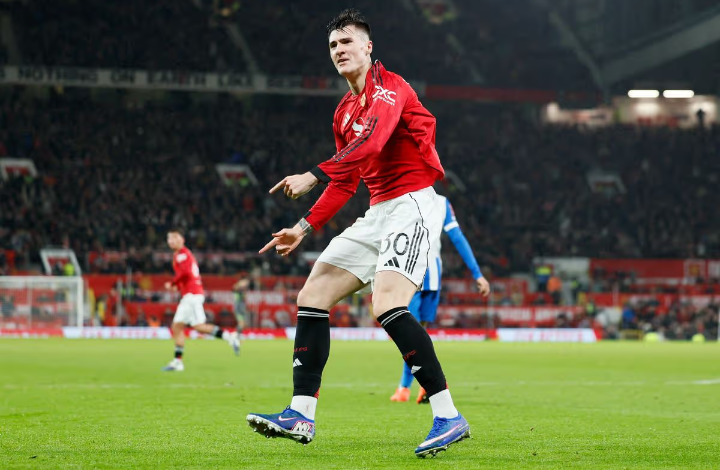
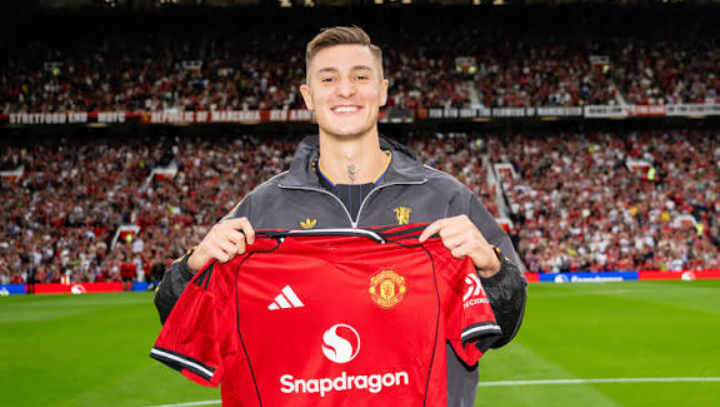
The club also pursued top striker targets such as Benjamin Sesko, showing that the front line was a priority as the team looked to improve its offensive output after a difficult scoring run the previous season.
Sesko’s situation encapsulated how United approached transfers: they were prepared to compete with other Premier League clubs, including Newcastle United, for the young striker’s signature and showed confidence that his preference would be to join the Red Devils — even amid strong interest from rivals.
Off the pitch, Manchester United’s leadership have also defended tough choices regarding contract situations and player futures.
For example, centre-back Harry Maguire has expressed that it would be “silly” to leave Old Trafford amid uncertainty about his contract, with United activating clauses that retain some control over his future.
The broader club strategy recognises that United are in a transitional phase. Leadership believe that foundational decisions — even those that frustrate fans in the short term — are necessary to restore competitive consistency.
That philosophy is underscored by the precision with which they approached both coaching and player recruitment decisions.
In addition to manager and transfer choices, United have also tried to balance the need for stability with ambition.
They rejected enquiries for key players such as Maguire and insisted on a clear plan before agreeing to further changes in personnel, showing that they want control over how the squad develops rather than fracturing the team mid-season.
The club’s leadership has emphasised that while results have not always gone their way, the internal belief is that they are building a more resilient squad capable of challenging at a higher level in the future.
Criticism from outside voices is expected at a club of United’s stature, but decision-makers maintain they are focused on sustainable progress rather than temporary fixes.
For supporters, this period of reflection and planning has been mixed.
Some fans are eager to see quicker progress and more high-profile signings, while others have expressed frustration with inconsistency and the perceived lack of immediate success.
The leadership, however, appear undeterred in their commitment to a measured approach, confident that their choices — including managerial backing, transfer strategies, and contract decisions — are putting the club on the right path.
As the season continues, Manchester United remain confident that the decisions made thus far will yield dividends down the line, even if the immediate results do not always match supporters’ expectations.
In a club steeped in history and expectation, navigating the balance between patience and ambition is never simple, but United’s leaders believe they have made choices that will ultimately strengthen the team.