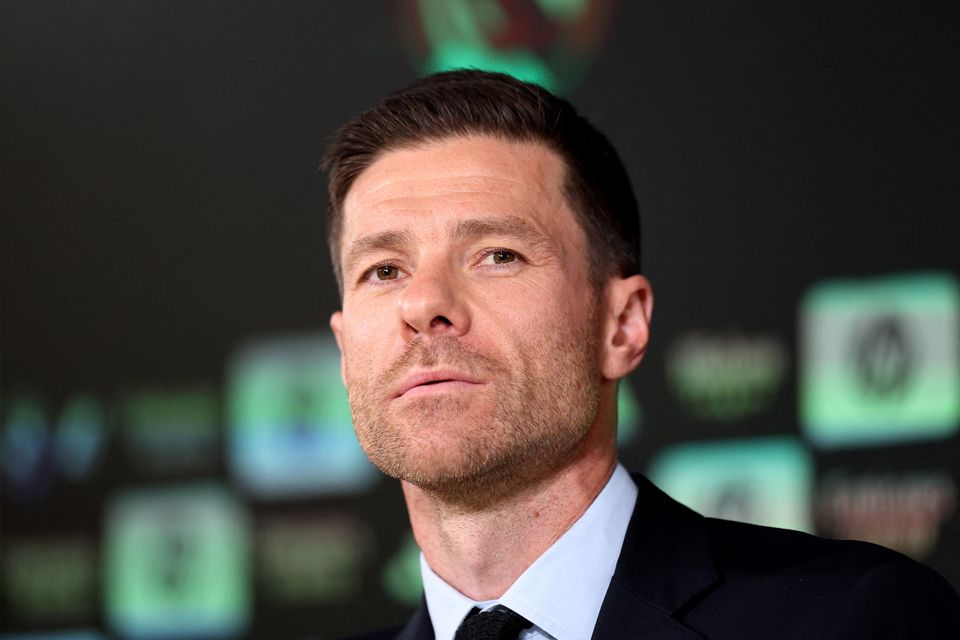
The Xabi Alonso Real Madrid era has come to an abrupt end, with the club confirming on Monday that the former midfielder has stepped down as head coach following Sunday’s Supercopa de Espana final defeat to Barcelona.
The decision was announced through an official club statement, which confirmed that Alonso’s departure was agreed mutually between both parties.
In a separate announcement, Real Madrid confirmed that Alvaro Arbeloa has been promoted from his role as head coach of the reserve team to replace Alonso.
The club did not specify the length or nature of Arbeloa’s appointment, only confirming that he will take charge of the first team with immediate effect.
Alonso, 44, had only taken over at the Santiago Bernabeu in the summer, signing a three-year contract after replacing Carlo Ancelotti.
However, the Xabi Alonso Real Madrid project has now been brought to a close less than a year into that agreement.
Club Statement Confirms Xabi Alonso Real Madrid Departure
Real Madrid’s official statement confirmed the nature of the decision and paid tribute to Alonso’s long-standing connection with the club.
“Real Madrid C. F. announces that, by mutual agreement between the club and Xabi Alonso, it has been decided to put an end to his time as first team coach,” the statement read.
The club also highlighted Alonso’s legacy as a player, stating that he would always retain the respect and admiration of supporters.
Madrid went on to thank Alonso and his coaching staff for their work and wished them well for the future, reinforcing that the decision was not presented as a dismissal but as a mutual separation.
Despite that tone, the timing of the announcement — arriving the day after a Supercopa final defeat to Barcelona — underlined the pressure surrounding the Xabi Alonso Real Madrid situation.
Difficult Run of Results Raised Concerns
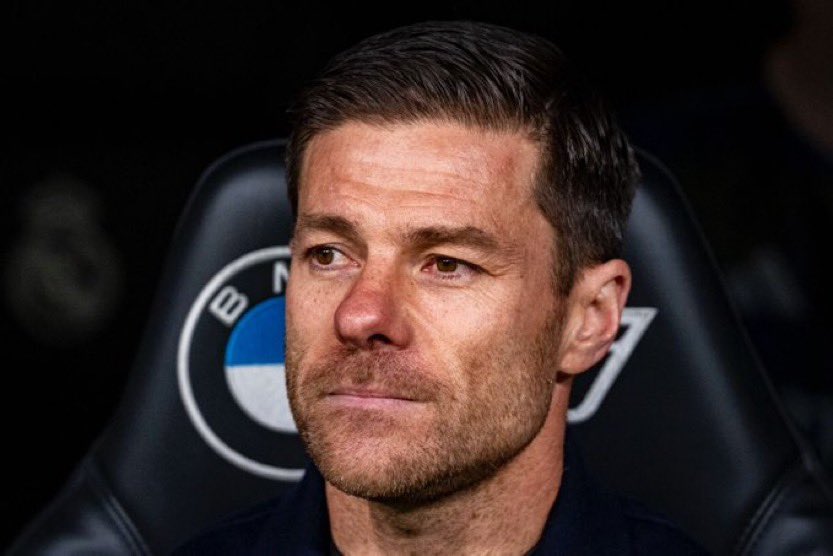
Madrid’s decision follows a challenging period across November and December, during which the team won only three of nine matches in all competitions.
That run included the club’s first home league defeat of the season at the Bernabeu against Celta Vigo, followed by their first home Champions League loss to Manchester City.
Before the City defeat on December 10, senior figures at the club, including president Florentino Perez and general director Jose Angel Sanchez, held internal discussions about the team’s direction and Alonso’s future.
While Alonso retained public backing at that stage, the Xabi Alonso Real Madrid project was already under review behind the scenes.
Following the Champions League loss, Jude Bellingham, Rodrygo and goalkeeper Thibaut Courtois all spoke in support of the head coach. Courtois was quoted as saying, “We are behind the boss,” reflecting a degree of unity within parts of the dressing room at that point.
Dressing Room Tensions and Contract Concerns
Despite those public shows of support, issues persisted. In December, it was reported that while Madrid ideally wanted to continue backing Alonso, results would ultimately dictate his future at such a demanding club.
Although the board did not believe Alonso was solely responsible for the downturn, there was dissatisfaction with the team’s performances and overall image.
Concerns were also raised that a significant section of the dressing room did not fully connect with Alonso’s ideas or management style, a factor that weighed heavily on the Xabi Alonso Real Madrid decision.
In November, Vinicius Junior informed the club that he did not wish to renew his contract while his relationship with Alonso remained strained.
That situation reflected broader tensions, with several first-team players reportedly unhappy with aspects of Alonso’s approach and the changes he introduced after arriving in the summer.
Promising Start Could Not Be Sustained
The speed of Alonso’s exit is particularly striking given the strong start he made. Madrid won 10 of his first 11 La Liga matches, including the Clasico victory over Barcelona on October 24.
At that stage, Madrid sat five points clear at the top of the table, and the Xabi Alonso Real Madrid project appeared to be firmly on track.
However, results have since dipped. Madrid now sit second in La Liga, four points behind Barcelona. Villarreal are just one point further back and have played one fewer match, adding further pressure to an already tense situation.
In Europe, Alonso’s side performed more consistently. Madrid won four of their six Champions League league-phase matches and remain well placed to qualify for the last 16 without needing a play-off. Even so, domestic struggles ultimately proved decisive.
Arbeloa Steps Up as New Head Coach
Alvaro Arbeloa now steps into the role, having been in charge of Real Madrid Castilla since June. Before that, he coached several youth teams within the club’s academy system.
As head coach of the Juvenil A side, Arbeloa won a treble during the 2022-2023 season, lifting the league title, Copa del Rey and Champions Cup. He also led the team to another league title in the 2024-2025 campaign, achievements that played a role in his promotion.
A former right-back, Arbeloa made 238 appearances for Real Madrid over seven years, winning two Champions League titles. He was also part of Spain’s golden generation, earning 56 caps and winning the World Cup and two European Championships between 2008 and 2012.
His playing career also included spells at Deportivo La Coruna, Liverpool and West Ham United.
Alonso’s Coaching Journey and Legacy
Before the Xabi Alonso Real Madrid appointment, Alonso spent 18 months at Bayer Leverkusen, guiding the German club to their first Bundesliga title in 2023-24 with an unbeaten domestic season. He began his coaching career at Real Sociedad B and returned to Madrid last summer with high expectations.
As a player, Alonso spent five years at the Bernabeu between 2009 and 2014, winning five major trophies, including the Champions League.
His status as a club legend was seen as a key factor in his appointment, with the belief that he could command respect within a star-filled dressing room.
That task ultimately proved more difficult than anticipated. The rapid end to the Xabi Alonso Real Madrid tenure once again highlights the unique pressures of managing one of world football’s most demanding clubs, where results, relationships and expectations leave little room for error.