Physical Address
MICKYWORLDNG
Physical Address
MICKYWORLDNG

MICKYWORLDNG IS READER-SUPPORTED. WHEN YOU BUY THROUGH LINKS ON OUR SITE, WE MAY EARN AN AFFILIATE COMMISSION AT NO EXTRA COST TO YOU.
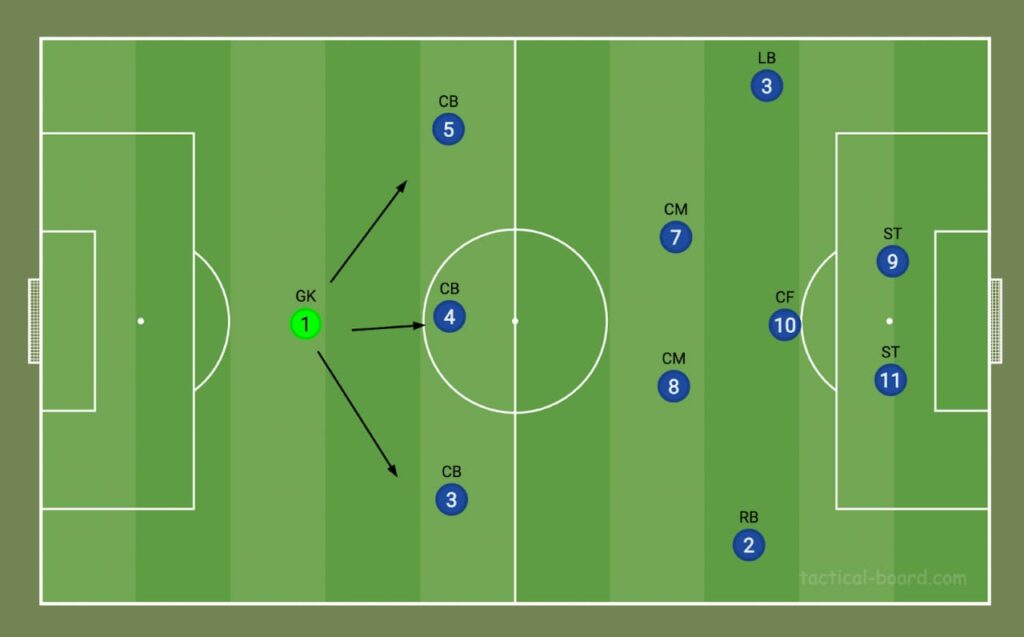
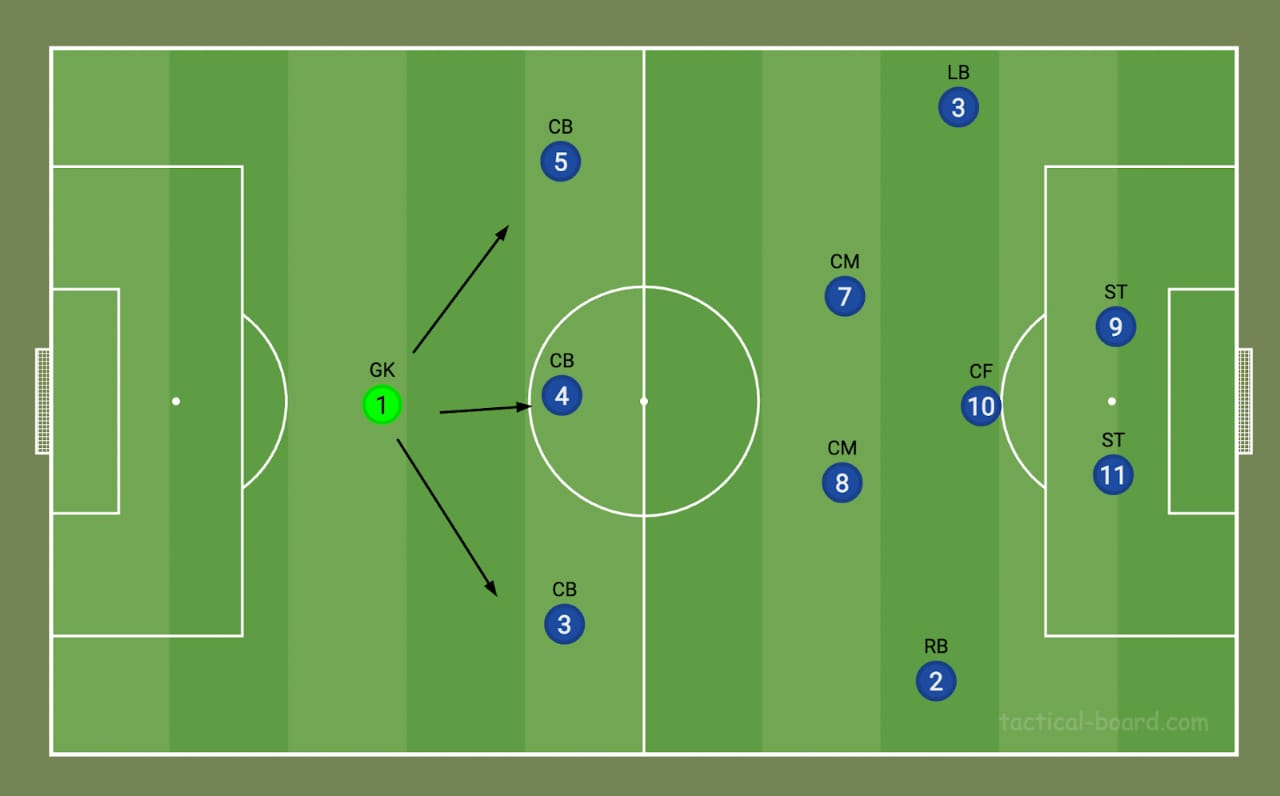
The sweeper-keeper in football has become a defining feature of teams that defend with advanced positioning. Rather than remaining fixed on the goal line, the goalkeeper operates several metres outside the penalty area when the team is in possession. This adjustment supports high defensive lines and reduces vulnerability to direct passes in behind.
Modern defensive structures rely on compactness and territorial pressure. When defenders step forward, space naturally appears behind them. The sweeper-keeper’s role is to manage that space before it becomes dangerous.
A sweeper-keeper is a goalkeeper who actively participates outside the penalty area to intercept through balls, clear long passes, and maintain defensive compactness. The role extends beyond shot-stopping.
Positioning becomes proactive rather than reactive. Instead of waiting for attackers to advance, the goalkeeper anticipates and intervenes early.
This function is inseparable from defensive height. Teams using a High Defensive Line in Football depend on the goalkeeper to provide depth coverage.

When a defensive line steps closer to halfway, the gap between defenders and goalkeeper increases. That area becomes a potential target for direct passes or quick transitions.
The sweeper-keeper positions themselves higher to narrow that gap. By reducing the distance to incoming attackers, they shorten reaction time and increase the likelihood of interception.
This positioning allows the defensive unit to remain confident in maintaining advanced territory.
Pressing systems depend on collective movement. When a team triggers pressure high up the pitch, defenders step forward to compress space. For a detailed explanation of those triggers, see Pressing Triggers in Football.
The goalkeeper must respond accordingly. As the line rises, so does the starting position of the keeper.
This coordination ensures that if pressing fails and a direct ball is played, there is immediate coverage behind the defence.
A successful sweeper-keeper reads passing cues early. Body orientation of the opponent, head movement, and receiving angles all indicate potential long passes.
Decision-making is critical. Advancing too early risks mistiming; hesitating invites danger.
Manuel Neuer’s influence on the position demonstrated how anticipation and calmness under pressure redefine goalkeeper responsibilities.
The modern sweeper-keeper must be comfortable with the ball at their feet. Clearances and short distribution often follow interceptions.
Passing range supports build-up play, enabling defenders to reset shape after regaining possession.
Communication is equally vital. Defenders rely on constant instruction regarding positioning and runner tracking.

Teams that implement an offside trap depend on precise defensive timing. For deeper exploration, see Offside Trap in Football.
If the trap is broken by a well-timed run, the goalkeeper becomes the final line of intervention.
Advanced positioning allows faster engagement with attackers who slip beyond the defensive line.
In deeper defensive structures, the goalkeeper remains closer to the goal. The space behind defenders is minimal, reducing the need for advanced intervention.
This tactical difference highlights how defensive height shapes goalkeeper behaviour. A detailed comparison is discussed in Low Block vs High Defensive Line in Football.
The sweeper-keeper thrives in systems that prioritise territory rather than deep containment.
Operating outside the penalty area carries inherent risk. Mistimed interceptions may leave the goal exposed.
Elite teams mitigate this through disciplined spacing and rehearsed recovery patterns. Defenders adjust their angles when the goalkeeper advances.
The balance between aggression and restraint defines the role’s effectiveness.
Attackers aware of a proactive goalkeeper may hesitate when attempting early runs. Long passes must be precise to avoid interception.
This awareness subtly reduces the confidence of direct attacking approaches.
The increasing speed of transitions has elevated the importance of spatial control behind the defence. Teams defending higher require insurance beyond traditional shot-stopping.
The sweeper-keeper provides that insurance. By compressing vertical space and accelerating defensive recovery, the role strengthens structural cohesion.
As long as teams pursue territorial dominance and coordinated pressing, the sweeper-keeper in football will remain integral to modern tactical systems.
The sweeper-keeper in football is not a stylistic novelty but a practical adaptation to high defensive positioning. Advanced goalkeeping integrates seamlessly with pressing, offside management, and compact team structures.
When combined with organised pressing cues and disciplined back-line timing, the goalkeeper becomes an active participant in territorial control.
Across tactical evolutions, the principle persists: managing space behind the defence is as important as protecting the goal itself.
Tags: Sweeper Keeper in Football, High Defensive Line in Football, Football Tactics